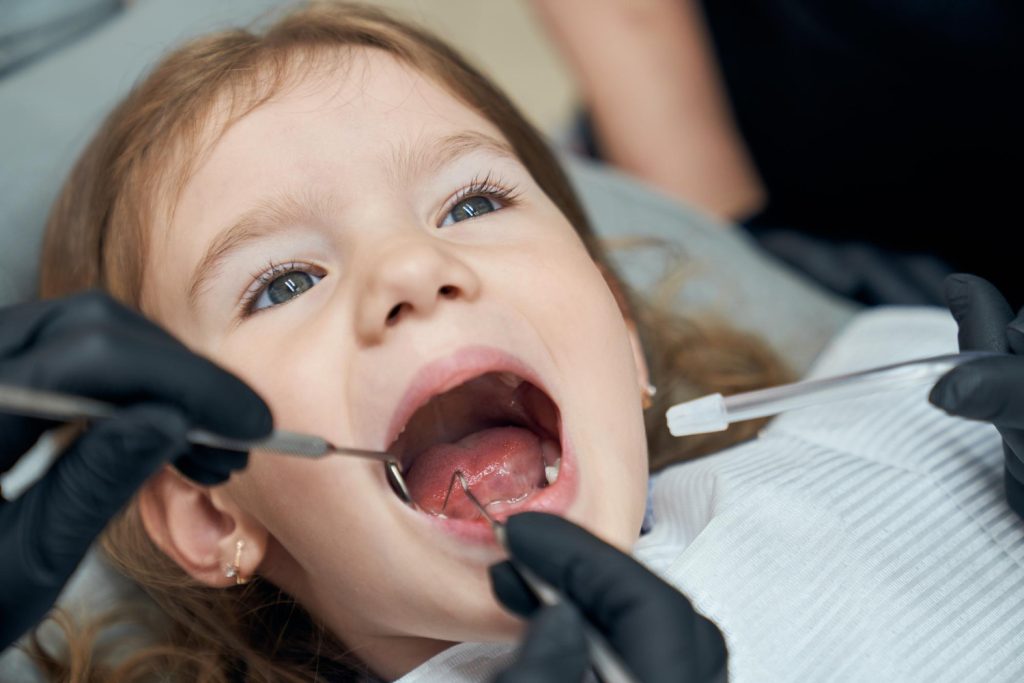
Dental cavities are one of the most common oral health concerns for both children and adults, but many cavities can be prevented with consistent daily habits and regular dental care.
Cavities develop when bacteria in the mouth interact with sugars and starches from food and drinks, producing acids that gradually weaken tooth enamel. Over time, this can create a small opening or hole in the tooth.
At Oak Dental Place, we believe prevention is one of the most important parts of maintaining a healthy smile. A few simple habits can make a meaningful difference in protecting your teeth and reducing your risk of tooth decay.
What Causes Dental Cavities?
Everyone naturally has bacteria in their mouth. When certain bacteria come into contact with sugars and carbohydrates, they produce acids that can attack the outer surface of the teeth.
A sticky layer called plaque can also build up on the teeth throughout the day. If plaque is not regularly removed through brushing and flossing, the acids it contains may begin to weaken tooth enamel.
Over time, repeated acid exposure can lead to tooth decay and eventually a cavity.
Several factors may increase the likelihood of developing cavities, including frequent snacking, sugary beverages, inconsistent brushing and flossing, dry mouth, and skipping routine dental appointments.
Brush Your Teeth Twice a Day
One of the simplest ways to help prevent cavities is brushing your teeth thoroughly twice each day.
Brushing removes plaque, bacteria, and food particles from the surfaces of your teeth. Use a soft-bristled toothbrush and fluoride toothpaste, and take your time cleaning every area of your mouth.
Most people should brush for approximately two minutes each time.
Children may need help brushing until they develop the coordination needed to clean their teeth properly on their own. Parents can help make brushing part of the daily routine by brushing together or using a timer to encourage a full two minutes.
Don’t Forget to Floss
Your toothbrush cannot always reach the narrow spaces between your teeth.
Flossing helps remove plaque and food particles from these areas, where cavities may otherwise begin unnoticed.
Try to floss at least once each day. Other interdental cleaning tools may also be recommended depending on your individual needs.
If you are unsure about your flossing technique, your dental team can demonstrate an approach that works for you.
Limit Sugary Snacks and Drinks
Sugar does not directly create a cavity, but it provides fuel for bacteria that produce cavity-causing acids.
Frequently sipping sugary beverages or eating sweet snacks throughout the day can expose your teeth to repeated acid attacks.
Try to limit foods and drinks such as candy, pop, sweetened juices, sports drinks, and sticky snacks.
This does not mean you have to eliminate every treat. Frequency matters. Having something sweet with a meal is generally easier on your teeth than repeatedly snacking or sipping on sugary drinks throughout the day.
Choose Water More Often
Water is one of the best everyday beverage choices for your teeth.
Drinking water can help rinse away food particles and sugars while keeping your mouth hydrated. Saliva plays an important role in neutralizing acids and protecting tooth enamel, so maintaining good hydration supports your natural cavity-fighting defenses.
Make Fluoride Part of Your Dental Routine
Fluoride is a naturally occurring mineral that helps strengthen tooth enamel and make it more resistant to acid attacks.
Using fluoride toothpaste as recommended is an easy way to incorporate fluoride into your daily oral care routine.
Depending on your cavity risk, your dentist may also recommend additional fluoride treatments or products.
Children should use an age-appropriate amount of toothpaste and should be supervised while brushing.
Consider Dental Sealants for Children
Children’s back teeth contain natural grooves and pits that can be difficult to clean thoroughly with a toothbrush.
Dental sealants are thin protective coatings that may be placed over the chewing surfaces of certain teeth. They create a smoother barrier that can help prevent food particles and bacteria from becoming trapped in deeper grooves.
Your dentist can determine whether dental sealants may be beneficial for your child based on their age, tooth development, and cavity risk.
Avoid Constant Snacking Throughout the Day
Every time you eat carbohydrates or sugar, bacteria in your mouth may produce acids.
Your saliva gradually helps neutralize those acids, but frequent snacking gives your teeth less time to recover between exposures.
When possible, try to keep snacks to designated times rather than grazing continuously throughout the day.
Choose tooth-friendly options such as vegetables, cheese, plain yogurt, nuts, or other nutritious foods when appropriate.
Regular Dental Checkups Can Help Prevent Cavities
Even excellent brushing and flossing cannot replace routine dental examinations and professional cleanings.
Regular appointments allow your dental team to remove hardened buildup, monitor changes in your teeth, and identify early signs of decay.
Cavities are not always painful when they first develop. In some cases, a dentist may identify a concern before you notice any symptoms.
Finding tooth decay early can often make treatment simpler and help preserve more of the natural tooth.
Watch for Early Signs of a Cavity
Some cavities may not cause noticeable symptoms at first.
As tooth decay progresses, you may experience increased sensitivity to hot, cold, or sweet foods, discomfort when biting, visible dark spots, or persistent tooth pain.
If you notice a change in one of your teeth, it is a good idea to schedule a dental examination rather than waiting for the problem to worsen.
Helping Children Develop Cavity-Prevention Habits
Healthy dental habits established during childhood can continue for years.
Parents can help by making brushing and flossing part of the daily routine, offering water regularly, limiting frequent sugary snacks, and bringing children for routine dental visits.
It can also help to make oral care positive rather than treating it as a chore. Allow younger children to choose their toothbrush, play a two-minute song while brushing, or brush alongside them.
Prevention Starts With Everyday Habits
Preventing cavities does not require a complicated dental routine.
Brushing twice daily, cleaning between your teeth, limiting frequent sugar exposure, drinking plenty of water, and keeping up with regular dental appointments can all contribute to healthier teeth.
At Oak Dental Place, our team is here to help patients of all ages understand their oral health and develop practical habits that fit into everyday life.
Book a Preventive Dental Visit at Oak Dental Place
Whether you are due for a routine cleaning, have questions about cavity prevention, or are looking for family dental care, Oak Dental Place is here to help.
Regular preventive care can help protect your natural teeth, identify concerns early, and keep your family’s smiles healthy for years to come. Contact our team to schedule your next dental appointment.